
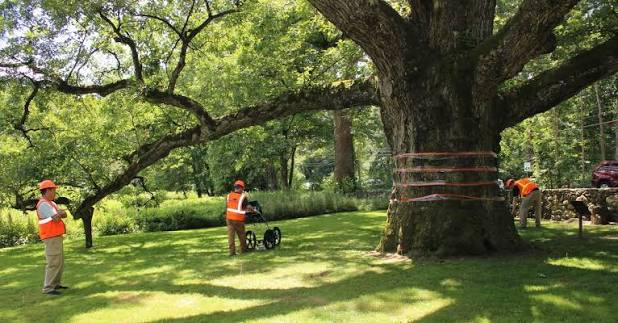
Trees are valuable assets in shared residential spaces, school grounds and public areas. They provide shade, improve outdoor environments, support biodiversity and contribute to the overall appearance of a property. However, managing trees across large or shared properties also involves responsibilities relating to safety, maintenance, budgeting and regulatory requirements.
Strata committees, schools and local councils often manage multiple trees across their properties. Without accurate records, it can become difficult to understand which trees require attention, identify potential hazards, plan maintenance or allocate suitable budgets.
A structured tree inventory provides an organised record of the trees within a property or designated area. It helps property managers and responsible organisations understand their tree assets and make informed decisions about ongoing maintenance.
Understanding Tree Inventory Surveys
A tree inventory survey involves identifying, recording and assessing trees within a particular property or area. The information collected can help organisations understand the number, location, condition and maintenance requirements of their trees.
Depending on the project scope, an inventory may record:
- Tree species and identification.
- Tree location and approximate dimensions.
- Tree height and canopy spread.
- Trunk diameter.
- General tree condition.
- Visible signs of damage or disease.
- Maintenance recommendations.
- Potential safety concerns.
The level of assessment depends on the purpose of the survey and the requirements of the organisation. A basic inventory provides asset information, while a more detailed assessment may involve additional arboricultural inspections.
Why Strata Committees, Schools and Councils Need Tree Inventory Surveys
Managing trees without reliable information can create difficulties for organisations responsible for shared and public spaces. A documented inventory provides a useful starting point for understanding existing tree assets and planning future work.
Organisations considering tree inventory surveys sydney can use the collected information to support maintenance planning, identify areas requiring further assessment and improve the management of trees across their properties.
The information can be particularly valuable for strata committees managing common property, schools responsible for student environments and councils overseeing public green spaces.
1. Improving Tree Risk Management
Tree safety is an important responsibility for organisations managing residential complexes, school grounds and public areas.
Trees can develop structural problems over time due to age, disease, environmental conditions, physical damage and other factors. Branch failures, declining tree health and unstable structures may create risks for people and nearby property.
An inventory helps organisations identify trees that may require further inspection or maintenance.
Information can include:
- Visible dead or damaged branches.
- Signs of decay or disease.
- Trunk damage.
- Changes in tree condition.
- Potential conflicts with buildings and pathways.
- Trees located near playgrounds, car parks or pedestrian areas.
A tree inventory does not automatically establish that every tree is safe. Instead, it helps identify assets that may need a more detailed assessment by a suitably qualified arborist.
For schools and councils, this information can support the prioritisation of inspections in areas where people regularly gather or move around.
2. Supporting Better Maintenance Budgeting
Tree maintenance involves ongoing costs, including inspections, pruning, removal where justified, pest and disease management and other arboricultural work.
Without an accurate record of the trees on a property, organisations may struggle to estimate future maintenance requirements.
A tree inventory can help establish a clearer picture of the assets requiring attention.
For example, a strata committee may use inventory information to identify trees that require regular pruning or additional inspections. A school may use the records to plan maintenance around playgrounds, outdoor learning spaces and sports areas.
Councils can use inventory information to understand maintenance requirements across parks, streets and public reserves.
This information can support:
- Annual maintenance budgets.
- Long-term tree management plans.
- Prioritisation of maintenance work.
- Planning for future tree replacements.
- Monitoring of maintenance expenditure.
- More informed contractor discussions.
A documented inventory helps organisations move towards planned maintenance rather than relying entirely on unexpected repairs or complaints.
3. Helping Organisations Understand Compliance Responsibilities
Tree management can involve several legal and regulatory considerations. Requirements may differ depending on the property location, tree species, land ownership, environmental significance and applicable local planning controls.
For organisations in Sydney, relevant considerations may include:
- Local council tree preservation requirements.
- Development consent conditions.
- Tree protection measures.
- Environmental planning controls.
- Heritage-related restrictions.
- Workplace health and safety responsibilities.
- Relevant requirements for work near protected trees.
An inventory can provide useful information when organisations need to understand which trees may be subject to additional controls.
However, an inventory alone does not guarantee compliance. Organisations should confirm the applicable requirements with the relevant council or authority and obtain professional advice where necessary.
4. Helping Strata Committees Manage Common Property
Strata committees are responsible for overseeing common property and making decisions about shared assets.
Trees can be an important part of residential property management, particularly in complexes with gardens, landscaped areas, driveways and shared outdoor spaces.
A tree inventory can help strata committees:
- Identify trees located on common property.
- Understand maintenance requirements.
- Record tree condition over time.
- Plan pruning and inspection schedules.
- Prepare maintenance budgets.
- Respond more effectively to resident concerns.
Having an organised record can also support discussions between strata committees, owners corporations, strata managers and maintenance contractors.
Instead of relying on informal observations, committees can use documented information when deciding which trees require attention.
5. Improving Safety Around Schools
Schools have a responsibility to provide suitable environments for students, staff, visitors and contractors.
Trees can contribute to a positive school environment by providing shade and supporting outdoor activities. However, trees located near playgrounds, classrooms, walkways and sports areas may require regular monitoring.
A school tree inventory can help facilities managers understand:
- Which trees are located near student activity areas.
- Which trees require additional inspection.
- Where branches may interfere with buildings or access routes.
- Which trees need ongoing maintenance.
- Where future planting may be appropriate.
Schools can use this information to organise maintenance activities and communicate with arborists and contractors.
The inventory can also support longer-term planning when school grounds are upgraded or outdoor facilities are redesigned.
6. Supporting Council Tree Asset Management
Local councils manage trees across a wide range of public spaces, including roadsides, parks, recreational areas, reserves and community facilities.
The number and distribution of trees can make consistent management challenging without reliable asset information.
A tree inventory helps councils maintain records of their urban forest and understand the condition of trees across different locations.
This information may support:
- Urban forest management planning.
- Tree maintenance scheduling.
- Public safety assessments.
- Canopy management strategies.
- Tree replacement planning.
- Community consultation.
- Environmental and sustainability initiatives.
An accurate inventory can also help councils monitor changes in their tree population over time and identify areas where additional planting may be beneficial.
7. Establishing a Long-Term Tree Management Plan
Tree management should not be limited to responding to immediate problems. Organisations can use inventory information to develop a longer-term approach to maintaining their tree assets.
A tree management plan may include:
- Routine inspection schedules.
- Pruning and maintenance priorities.
- Monitoring of tree health.
- Replacement recommendations.
- Pest and disease management.
- Future planting opportunities.
- Record-keeping procedures.
The plan should reflect the property’s needs, available resources and relevant regulatory requirements.
For example, a strata committee may schedule regular inspections for trees near shared access areas, while a council may develop different maintenance schedules for parks and roadside trees.
8. Monitoring Changes in Tree Condition
Tree condition can change over time, which makes ongoing monitoring important.
An inventory provides a baseline record that organisations can refer to during future inspections. Comparing updated records can help identify changes in tree health, structural condition or maintenance requirements.
This may include changes such as:
- Increasing canopy dieback.
- New signs of disease.
- Branch damage.
- Trunk deterioration.
- Root-related concerns.
- Changes following storms or construction activity.
Updated records can help organisations determine whether further investigation or maintenance is necessary.
What Information Should a Tree Inventory Include?
The information collected should match the organisation’s management objectives and the scale of the property.
A useful inventory may include the following:
| Inventory information | Purpose |
| Tree identification | Records the species or identification details. |
| Tree location | Shows where each tree is situated. |
| Tree dimensions | Records relevant measurements. |
| Tree condition | Documents general observed condition. |
| Risk observations | Identifies issues requiring further assessment. |
| Maintenance recommendations | Helps plan appropriate work. |
| Photographs | Provides a visual record of each tree. |
| Inspection date | Supports ongoing monitoring. |
For larger properties, digital mapping or a tree asset management system may also help organisations organise and retrieve information.
Choosing a Professional Tree Inventory Provider
The quality of the inventory depends on the survey scope, assessment method and expertise of the person undertaking the work.
Organisations should consider the provider’s arboricultural experience, reporting format and ability to deliver information that supports practical management decisions.
Before engaging a provider, ask:
- What information will be included in the inventory?
- Will tree locations be mapped?
- Are photographs included?
- Will visible defects and maintenance concerns be recorded?
- Does the service include a risk assessment or only an inventory?
- Can the information support future maintenance planning?
- Will the report identify trees requiring further inspection?
It is important to understand the difference between a tree inventory and a detailed tree risk assessment. The two services can complement each other, but they do not necessarily provide the same level of assessment.
Making Tree Management More Organised and Proactive
Strata committees, schools and councils manage trees that contribute to the safety, appearance and environmental value of their properties. However, effective management requires accurate information about the location, condition and maintenance needs of those assets.
A professional tree inventory survey can provide a structured record that supports risk management, maintenance budgeting, compliance planning and long-term asset management.
By maintaining updated records and arranging further arboricultural assessments when needed, organisations can make more informed decisions about their trees and establish a more proactive approach to managing shared and public green spaces.