
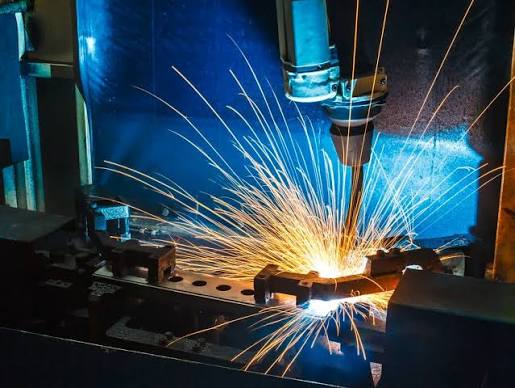
For many years, business computing and industrial technology were managed as largely separate environments. Corporate IT teams focused on computers, servers, email, databases, and business applications, while operational teams managed the machinery and control systems responsible for producing physical goods or running industrial processes.
That separation has become less distinct. Manufacturers, utilities, transportation companies, and other organizations increasingly want operational data available to business applications. Connected systems can support analytics, maintenance planning, production reporting, inventory management, and other useful capabilities. At the same time, greater connectivity creates technical, organizational, and security questions that need to be addressed carefully.
Understanding Two Different Technology Environments
Information technology, commonly called IT, generally focuses on systems used to store, process, communicate, and manage business information. Examples include employee computers, enterprise applications, databases, cloud platforms, and corporate networks.
Operational technology, or OT, refers broadly to systems that monitor or control physical processes and equipment. Depending on the environment, this can include industrial control systems, sensors, controllers, production machinery, and specialized monitoring equipment.
For organizations asking what is it/ot integration, the concept generally refers to bringing information technology and operational technology together so these environments can exchange appropriate data and work in a more coordinated way. Integration may allow operational information to support business decisions while giving organizations greater visibility into production and equipment performance.
The benefits can be significant, but IT and OT environments were often designed around different priorities. Understanding those differences is essential before connecting them more closely.
Availability Can Be Especially Important in Operations
Traditional IT security discussions frequently emphasize protecting the confidentiality, integrity, and availability of information. All three can matter in industrial environments as well, but operational systems may place particularly strong emphasis on continuous and predictable operation.
Unexpected downtime can interrupt production, delay orders, damage materials, or create other operational consequences. Depending on the industry and system involved, physical safety can also be an important consideration.
This can affect how updates and security changes are managed. An IT department might routinely restart office computers after installing software patches. Restarting an industrial system may require production planning, testing, coordination, and an approved maintenance window.
Older technology creates additional challenges. Industrial equipment can remain useful for decades, meaning organizations may operate systems that were designed long before today’s cybersecurity expectations existed.
Integration projects need to account for these realities rather than applying ordinary office IT practices without considering operational consequences.
Shared Visibility Can Improve Decision-Making
One reason organizations pursue integration is to make operational information more useful throughout the business.
Production data can help managers understand output and identify bottlenecks. Equipment information may support maintenance teams as they plan inspections or investigate recurring problems. Business systems can combine operational information with inventory, scheduling, quality, and supply-chain data.
This does not mean every system should communicate directly with every other system. Organizations can identify which information genuinely needs to move between environments and design appropriate pathways for that exchange.
Clear data ownership is helpful. Teams should understand where information originates, who is responsible for its accuracy, which applications can access it, and how changes are managed.
Without governance, integration can gradually become a collection of undocumented connections that nobody fully understands. Careful architecture makes future maintenance and security much easier.
IT and OT Teams Need a Shared Language
Technology is only one part of integration. Organizational differences can be equally challenging.
IT and OT teams may use different terminology, follow different maintenance processes, and measure success differently. An IT security professional may focus on reducing vulnerabilities, while a plant engineer may be concerned about whether a proposed change could interrupt a production line.
Neither concern should automatically override the other. Successful integration requires both groups to understand the operational and cybersecurity consequences of their decisions.
Cross-functional planning can help. IT, security, engineering, operations, maintenance, and business leadership can participate when projects affect multiple environments.
Documentation also provides common ground. Network diagrams, asset inventories, ownership records, change procedures, and recovery plans make it easier for teams to understand how systems relate to one another.
Over time, collaboration can reduce the informal workarounds that sometimes develop when departments believe formal processes are too disconnected from operational needs.
Security Should Be Designed Into Integration
Connecting previously isolated systems can create new pathways between environments. Security therefore needs to be considered during design rather than added after implementation.
Network segmentation can help organizations control communication between different systems and zones. Access should be based on legitimate operational requirements rather than broad convenience.
Remote access deserves particular attention. Vendors and internal specialists may need to troubleshoot industrial equipment from other locations, but these connections should be deliberately managed and monitored.
Asset inventories become especially valuable because organizations need to understand which devices are present and how they communicate. Vulnerability management can then account for the limitations and operational importance of individual systems.
Organizations should also prepare for incidents that cross traditional departmental boundaries. If a cyber event affects production technology, security analysts and operational personnel may need to work together quickly. Practicing these scenarios can reveal communication and authority gaps before an emergency.
Integration Is an Ongoing Process
Bringing business and operational technology together is not a single project that ends when two systems begin exchanging information. Technology changes, production equipment is replaced, software is updated, and business requirements evolve.
Organizations should periodically review connections to determine whether they are still necessary and appropriately secured. Old integrations may remain active long after the original project or vendor relationship has ended.
Performance also deserves attention. Data collection should not interfere with the reliable operation of industrial equipment. Changes should be tested appropriately and introduced through processes that account for operational risk.
As organizations become more comfortable with integration, they may discover additional opportunities involving analytics, predictive maintenance, quality improvement, and production planning. Each new capability should be evaluated for both business value and potential risk.
The strongest integration programs balance connectivity with control. They give businesses access to useful operational information without creating unnecessary communication pathways or undermining the reliability of production systems.
By bringing IT and OT teams together around shared goals, organizations can build connected environments that support better decisions while respecting the unique requirements of industrial operations.