
Cách chơi Rồng Hổ được bắt đầu từ việc nhận diện từng lá bài cho tới đặt cược vào các cửa khác nhau trên bàn. Đây là một game đổi thưởng không khó tham gia nhưng để chiến thắng cũng cần bạn phải nắm bắt được các chiến thuật phù hợp. Nội dung mà Fun88 đưa ra sau đây sẽ giúp mọi người hiểu rõ và dễ dàng trải nghiệm bộ môn.
Tổng quan game Rồng Hổ
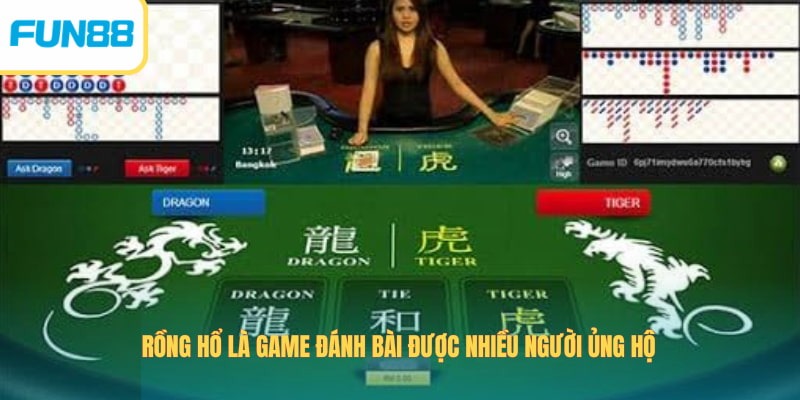
Rồng Hổ là một game đánh bài phổ biến, có nguồn gốc ở Campuchia và hiện nay nhanh chóng xuất hiện trên các sòng bạc quốc tế. Bộ môn với luật lệ dễ hiểu, nhịp độ ván cược diễn ra siêu tốc. Cách chơi Rồng Hổ cơ bản là bạn đặt tiền vào các cửa khác nhau như Rồng, Hổ hoặc Hoà.
Tiếp đó, Dealer của trang cược phát vào từng tụ Rồng với Hổ một lá bài duy nhất. Hệ thống sẽ tiến hành so sánh điểm hai cửa xem bên nào cao hơn và công bố kết quả. Hiện nay, tại casino Fun88 cung cấp nhiều sảnh cược cập nhật tựa game này. Bạn sẽ được tham gia vào một không gian đặt cược chuyên nghiệp, đẳng cấp và cơ hội nhận thưởng vô cùng giá trị.
Rồng Hổ là game đánh bài được nhiều người ủng hộ
Tìm hiểu đầy đủ cách chơi Rồng Hổ
Nắm rõ cách chơi Rồng Hổ là điều quan trọng bạn nên biết trước khi quyết định xuống tiền. Điều này không chỉ giúp tối ưu hoá về xác suất chiến thắng mà còn hỗ trợ hội viên tránh được sai lầm mất tiền oan.
Cách tính điểm
Đối với cách chơi Rồng Hổ, quy tắc tính tiền cũng cực kỳ đơn giản. Trong đó, quân Át có giá trị nhỏ nhất, tương ứng là một điểm duy nhất. Những cây từ 2 cho tới 10 có điểm bằng chính con số xuất hiện ở bề mặt lá bài.
Đối với các cây hình người là J, Q với K được tính lần lượt điểm số 11, 12, 13. Việc nắm rõ giá trị của từng cây bì giúp bạn có thể xác định cửa thắng dễ dàng và đưa ra chiến thuật phù hợp.
Cửa cược và tỷ lệ ăn
Để biết được cách chơi Rồng Hổ bạn phải nắm rõ từng cửa cược. Khi đó, ở mỗi cửa sẽ mang ý nghĩa và giá trị thưởng riêng biệt như sau.
| Cửa cược | Ý nghĩa | Tỷ lệ thưởng |
| Rồng | Bạn dự đoán lá bài trong cửa Rồng lớn hơn so với Hổ. | 1:1 |
| Hổ | Người chơi đặt cược cửa Hổ và dự đoán lá bài của tụ này cao hơn. | 1:1 |
| Hoà | Hai cây bài ở 2 tụ có giá trị bằng nhau | 1:8 – 1:10. |
Cách chơi Rồng Hổ với diễn biến cụ thể
Diễn biến của cách chơi Rồng Hổ tại Fun88 đơn giản, dễ dàng nắm bắt. Ván cược sẽ được bắt đầu theo trình tự cụ thể như sau:
- Khi vào ván cược, người chơi sẽ đặt tiền vào trong các cửa khác nhau theo phân tích của bản thân.
- Sau khi tất cả các hội viên đã xuống tiền xong, Dealer phát cho mỗi tụ Rồng với Hổ 1 cây bài. Những lá bài này sẽ được chia công khai và nhanh chóng trong vài giây.
- Hệ thống lật bài và công bố xem tụ nào có điểm số cao hơn. Nếu bạn đặt cược chuẩn xác các bạn được nhận thưởng theo đúng tỷ lệ của cửa đã chọn. Trường hợp dự đoán sai bạn sẽ bị mất đi số vốn mà mình đã tham gia từ đầu.
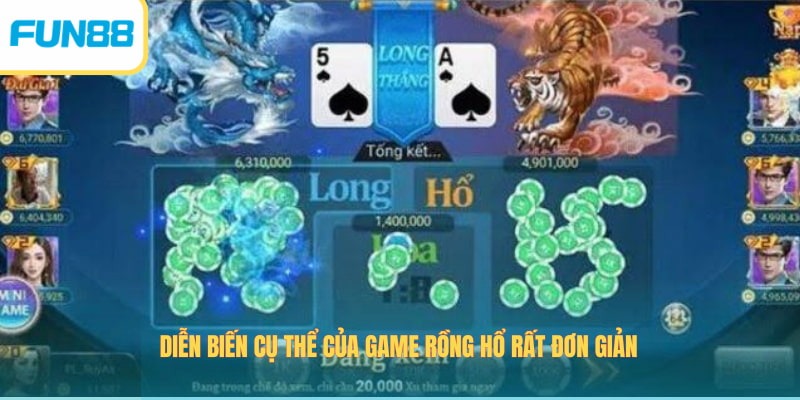
Diễn biến cụ thể của game Rồng Hổ rất đơn giản
Bí kips chơi game Rồng Hổ nâng cao tỷ lệ thắng
Mặc dù cách chơi Rồng Hổ siêu đơn giản nhưng có nhiều người vẫn chưa biết cách tối ưu hoá chiến thắng. Do đó, nếu muốn có được phần thưởng giá trị từ bộ môn bạn nên trang bị những bí kíp sau đây.
- Bạn hãy theo dõi kỹ càng chuỗi kết quả hiện đang xuất hiện ở trên bàn cược. Nếu bạn nhận thấy một cửa Rồng hay Hổ thắng liên tiếp trong vòng 3 – 4 phiên thì khả năng tiếp tục xuất hiện ở ván tiếp theo. Mặc dù chuỗi vẫn có thể thay đổi bất ngờ nhưng việc áp dụng theo cách này giúp bạn có cơ hội thắng tới hơn 70%.
- Cửa Hoà của game mang tỷ lệ thưởng rất cao nhưng xác suất xảy ra là siêu hiếm. Để hạn chế rủi ro, bạn nên tránh cược vào trong tụ này. Thay vào đó hãy tập trung các cửa Rồng với Hổ để ổn định và dễ dàng có thưởng hơn.
- Soi cầu trong trò chơi cũng là cách hiệu quả mà các bạn đừng nên bỏ lỡ. Đối với game Rồng Hổ có một vài loại cầu mà bạn nên cân nhắc như bệt, đảo 1 – 1, cầu nghiêng… Việc tận dụng được chu kỳ phù hợp sẽ giúp bạn kiếm thưởng giá trị từ trò chơi.
- Hội viên cũng có thể áp dụng cách cược gấp thếp bằng việc tăng gấp đôi vốn sau sau mỗi lần thua. Nếu thắng bạn sẽ nhận lại được toàn bộ vốn mà mình đã bỏ ra kèm theo lợi nhuận hấp dẫn. Tuy nhiên, người chơi chú ý đảm bảo ngân sách đủ mạnh và theo tới cùng, đặc biệt nếu gặp chuỗi thua dài.
Hội viên cược gấp thếp khi tham gia Rồng Hổ để kiếm thưởng lớn
Kết luận
Cách chơi Rồng Hổ tuy có phần dễ hiểu nhưng đòi hỏi các thành viên tham gia phải có kỹ năng và chiến lược quan sát để giành chiến thắng. Bạn hãy áp dụng những kiến thức học được cùng với chiến thuật thông minh vào việc tham gia cá cược ở tựa game này ngay hôm nay. Với sự hỗ trợ từ Fun88 chắc chắn sẽ mang tới cho bạn những ván kịch tính với cơ hội thắng lớn.