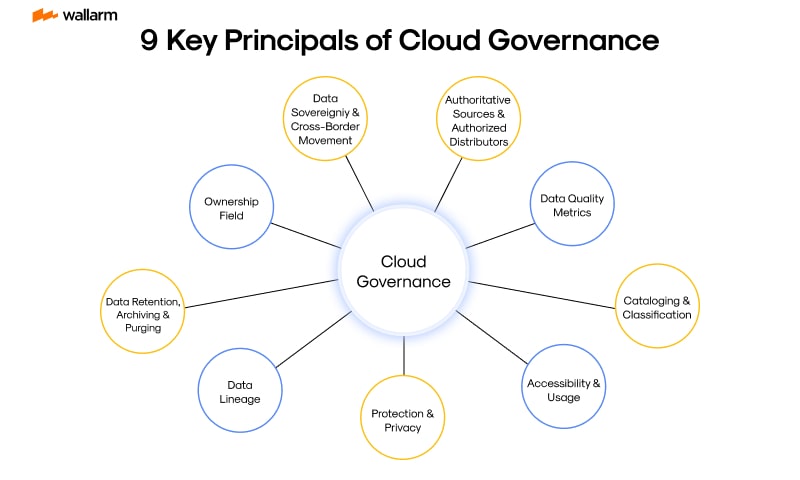
The modern cloud infrastructure is a decentralized domain. It’s an environment where innovation happens at the speed of code, but where true enterprise-level control—governance, consistency, and compliance—often lags behind. The infrastructure is not just a stack of servers; it’s a dynamic, ephemeral ecosystem spanning AWS, Azure, and Google Cloud Platform (GCP), managed by dozens of internal teams.
The core challenge in Cloud Infrastructure Management (CIM) today is moving beyond basic provisioning to achieve unified orchestration. This means controlling the entire environment through a single, intelligent framework that ensures every deployed resource adheres to global security policies, cost budgets, and performance standards, irrespective of the cloud vendor.
At Opsio Cloud, we specialize in implementing this unified governance layer. We transform complex, chaotic cloud sprawl into a predictable, highly efficient, and securely managed platform, leveraging our certified expertise to unlock the cloud’s full strategic potential while minimizing risk.
The Strategic Gaps: When Infrastructure Outpaces Governance
Unmanaged cloud expansion creates three severe, interconnected risks that directly inhibit business scaling and compliance:
1. Compliance Drift and Auditing Nightmares 📑
In a multi-cloud setting, configuration changes happen constantly. Compliance drift—where a compliant system accidentally falls out of line with regulations (GDPR, ISO, NIS2) due to unmanaged changes—is inevitable without automation. Manual auditing is slow, expensive, and never real-time, leaving the business exposed to severe regulatory penalties.
2. Fragmentation and Operational Silos 🧩
When different teams manage different clouds with disparate toolsets, knowledge silos form. This fragmentation slows incident response, complicates architectural decisions, and prevents the organization from capitalizing on best-of-breed services from different providers. Unified CIM is necessary to create a single pane of glass for monitoring, maintenance, and strategic planning.
3. Inefficient Resource Lifecycle Management
Cloud resources are often spun up quickly during development but are poorly decommissioned or right-sized after launch. This lack of centralized resource allocation and lifecycle management—from provisioning to de-provisioning—is a primary driver of cloud waste, directly contradicting the core financial benefit of cloud adoption.
Opsio Cloud’s Approach: Governance as the Core of CIM
We build governance and orchestration into the DNA of the cloud environment, ensuring that control scales with the infrastructure.
Pillar 1: Multi-Cloud Orchestration with IaC
Opsio leverages Infrastructure as Code (IaC) as the foundational technology for control. By defining all infrastructure (across AWS, Azure, and GCP) using tools like Terraform, we achieve:
- Consistency: Every environment adheres to the same blueprint, eliminating configuration errors.
- Centralized Policy Enforcement: Security and tagging policies are coded directly into the infrastructure, ensuring compliance is enforced upon deployment, not audited afterward.
- Agile Change Management: Changes are managed like code—versioned, reviewed, and tested before deployment—drastically reducing operational risk.
Pillar 2: Continuous Security & Compliance Automation
We embed security into the operational workflow using automated policies and monitoring tools that constantly check for compliance drift.
- Real-Time Auditing: We implement advanced automated monitoring that provides continuous visibility and alerts on any configuration that violates policy, guaranteeing adherence to standards like GDPR, HIPAA, and ISO.
- Proactive Maintenance: Our 24/7 technical support and monitoring includes scheduled patching, updates, and configuration reviews, preventing vulnerabilities before they can be exploited.
Pillar 3: Dynamic Cost and Capacity Management (FinOps)
Effective Cloud Infrastructure Management is financially driven. We actively manage resource lifecycles and allocation to maximize cost efficiency.
- Automated Right-Sizing: We use data-driven insights to automatically adjust resource sizes (compute, storage) to match current demand, ensuring efficient resource utilization and significant cost optimization.
- Budget Guardrails: We implement governance policies that automatically throttle or alert on resources exceeding predefined budget limits, giving financial control back to the enterprise.
Pillar 4: The Strategic Managed Partner Advantage
By partnering with Opsio Cloud, you gain access to a fully certified team with deep, hands-on experience in Cloud Migration, DevOps Services, and Managed Cloud operations. We provide the expertise your teams need without the complexity of recruiting and managing multi-cloud specialists. Our customer-centric approach means we tailor every customized solution to your unique business objectives.
Conclusion: The Path to Predictable Cloud Scaling
In the next era of digital dominance, the winners will be those who can scale innovation without sacrificing control. Chaotic, unmanaged cloud infrastructure is the enemy of this goal.
Cloud Infrastructure Management is the strategic solution, and unified governance is its driving force. By partnering with Opsio Cloud, you move beyond the reactive “fix-it” approach to a proactive, orchestrated system. We provide the comprehensive solution that ensures your multi-cloud environment is secure, compliant, cost-efficient, and perfectly aligned to your business’s strategic agility needs.
Ready to achieve predictable, governed scaling across all your cloud platforms? Connect with Opsio Cloud to discuss a customized management solution.