
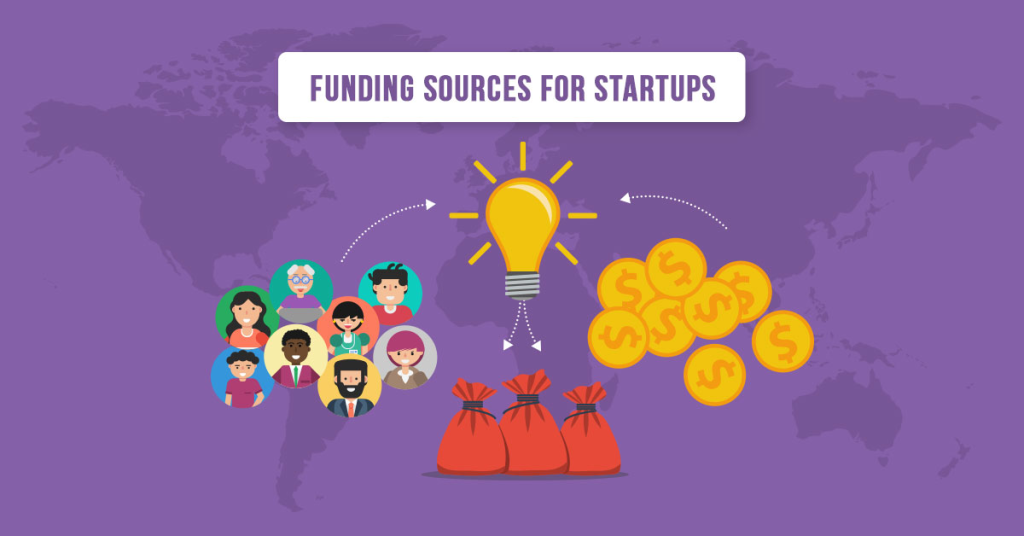
Starting a business is an exciting journey filled with opportunities, innovation, and the potential for long term success. However, one of the biggest challenges entrepreneurs face is securing the funding necessary to transform their ideas into reality. Regardless of how innovative a product or service may be, access to capital often determines whether a startup can survive its early stages and achieve sustainable growth.
Funding provides entrepreneurs with the resources needed to develop products, hire employees, market their businesses, invest in technology, and expand operations. Understanding the various startup funding options available can help entrepreneurs make informed decisions and select financing solutions that align with their goals and circumstances.
The modern business environment offers numerous funding opportunities, ranging from personal savings and traditional loans to venture capital and crowdfunding. Each option comes with its own advantages, risks, and requirements. Entrepreneurs who understand these funding sources are better positioned to secure capital and build successful businesses.
For entrepreneurs interested in international trade and global expansion, choosing the right business structure and jurisdiction is equally important. Many startups choose to Register a trading company in Hong Kong because of its business friendly environment, strategic location, and reputation as a global financial center. Understanding both funding options and business registration considerations can create a strong foundation for entrepreneurial success.
Why Startup Funding Matters
Every startup requires financial resources to operate. Even businesses with low initial costs need capital to cover essential expenses such as licensing, equipment, inventory, marketing, and operational costs.
Funding allows entrepreneurs to focus on growth rather than immediate financial constraints. It enables businesses to invest in opportunities that generate long term value and competitive advantages.
Adequate funding also provides flexibility. Startups often face unexpected challenges during their early stages. Access to capital helps businesses navigate uncertainties and maintain stability while pursuing growth objectives.
Investors and lenders often view proper funding strategies as indicators of strong business planning and financial responsibility. Entrepreneurs who manage capital effectively build credibility and improve their chances of attracting future investment.
Self Funding and Bootstrapping
One of the most common startup funding methods is self funding, often referred to as bootstrapping. This approach involves using personal savings, personal income, or assets to finance a business.
Bootstrapping allows entrepreneurs to maintain complete ownership and control of their companies. Since no external investors are involved, founders can make decisions independently without sharing profits or equity.
Many successful companies began with self funding. Entrepreneurs who bootstrap their businesses often develop strong financial discipline because they must carefully manage limited resources.
However, bootstrapping also has limitations. Personal funds may not be sufficient to support rapid growth or large scale operations. Entrepreneurs should carefully assess their financial situation and risk tolerance before relying entirely on personal resources.
Despite these challenges, bootstrapping remains an attractive option for startups that require relatively low initial investment.
Funding Through Friends and Family
Friends and family are often among the first individuals willing to support a startup financially. This funding source can provide entrepreneurs with capital during the early stages when traditional financing options may not be available.
Funding from friends and family is often more flexible than bank loans or investor agreements. Terms may be easier to negotiate, and repayment schedules can sometimes be adjusted to accommodate business needs.
However, entrepreneurs should approach these arrangements professionally. Clear agreements regarding repayment, ownership, and expectations help prevent misunderstandings and preserve personal relationships.
Treating friends and family investments with the same level of seriousness as institutional funding demonstrates professionalism and builds trust.
Bank Loans and Traditional Financing
Traditional bank loans remain a popular funding option for startups and small businesses. Banks provide financing based on factors such as credit history, financial projections, business plans, and collateral.
A business loan can provide substantial capital without requiring entrepreneurs to surrender ownership. Fixed repayment schedules also make financial planning more predictable.
Obtaining a bank loan can be challenging for new businesses that lack operating history or established revenue streams. Lenders often require detailed documentation and evidence of financial stability.
Entrepreneurs who prepare comprehensive business plans and maintain strong personal credit profiles improve their chances of securing financing.
Although traditional loans involve repayment obligations, they remain a valuable source of startup funding for many businesses.
Government Grants and Support Programs
Many governments offer grants, incentives, and funding programs designed to support entrepreneurship and economic development.
Unlike loans, grants typically do not require repayment. This makes them particularly attractive to startups seeking financial assistance.
Government funding programs often target specific industries, technologies, or business activities. Entrepreneurs should research available opportunities and determine whether their businesses meet eligibility requirements.
Application processes can be competitive and may require detailed proposals. However, successful applicants gain access to valuable financial resources that can accelerate growth.
Government support programs may also provide mentorship, training, and networking opportunities in addition to financial assistance.
Angel Investors
Angel investors are individuals who provide capital to startups in exchange for ownership equity or convertible debt.
These investors are often experienced entrepreneurs or business professionals who offer not only funding but also guidance, industry knowledge, and valuable connections.
Angel investment is particularly beneficial for startups with high growth potential that require funding beyond what founders can provide personally.
Entrepreneurs seeking angel investment should prepare compelling business plans, financial projections, and presentations that demonstrate market opportunity and growth potential.
Building relationships with angel investors can create opportunities for mentorship and strategic support that extend beyond financial contributions.
Venture Capital Funding
Venture capital is one of the most well known startup funding options. Venture capital firms invest in businesses with significant growth potential in exchange for equity ownership.
This funding source is particularly common among technology startups and innovative companies seeking rapid expansion.
Venture capital can provide substantial financial resources, allowing businesses to scale quickly and enter new markets.
However, venture capital investors often expect high returns and may influence strategic decisions. Entrepreneurs must be prepared to share ownership and collaborate closely with investors.
Securing venture capital typically requires a proven business model, strong management team, and evidence of market demand.
Although competitive, venture capital can be transformative for startups with ambitious growth objectives.
Crowdfunding Platforms
Crowdfunding has become an increasingly popular funding method in recent years. Online platforms enable entrepreneurs to raise capital from large numbers of individuals who contribute relatively small amounts.
Crowdfunding offers several advantages. It provides funding while also generating market validation and customer engagement.
Successful crowdfunding campaigns often demonstrate strong public interest in a product or service. This validation can attract additional investors and increase brand visibility.
Entrepreneurs must invest significant effort in marketing and promotion to achieve crowdfunding success. Effective storytelling and compelling campaign presentations are essential.
Crowdfunding is particularly suitable for consumer products, creative projects, and innovative solutions that appeal to broad audiences.
Business Incubators and Accelerators
Business incubators and accelerators support startups through funding, mentorship, training, and access to professional networks.
Incubators typically focus on helping early stage companies develop their business models and operations. Accelerators often provide intensive growth programs designed to prepare startups for investment and expansion.
Participation in these programs can improve a startup’s chances of securing future funding by strengthening business strategies and investor readiness.
Many accelerators offer seed funding in exchange for small equity stakes. Entrepreneurs also benefit from exposure to experienced mentors and industry experts.
These programs create valuable opportunities for learning, networking, and business development.
Strategic Partnerships
Strategic partnerships can serve as alternative funding sources while creating opportunities for collaboration and growth.
Larger companies sometimes invest in startups that complement their products, services, or strategic objectives.
Partnerships may involve financial support, resource sharing, technology access, or distribution opportunities.
Entrepreneurs who establish mutually beneficial partnerships gain access to expertise and market opportunities that might otherwise be difficult to obtain.
Strategic partnerships can provide long term value beyond immediate financial benefits.
Revenue Based Financing
Revenue based financing is a funding model in which businesses receive capital in exchange for a percentage of future revenue.
Unlike traditional loans, repayment amounts fluctuate based on company performance. This structure can reduce financial pressure during periods of lower revenue.
Revenue based financing is particularly attractive for businesses with recurring revenue streams and predictable income.
Entrepreneurs maintain ownership while accessing growth capital, making this option appealing for companies seeking alternatives to equity financing.
As the startup grows, repayment accelerates, allowing investors to recover their investments while supporting business expansion.
Preparing for Funding Success
Securing funding requires preparation and strategic planning. Investors and lenders evaluate businesses carefully before committing resources.
Entrepreneurs should develop comprehensive business plans that clearly explain their products, target markets, competitive advantages, and growth strategies.
Financial projections play a critical role in funding discussions. Accurate forecasts demonstrate financial awareness and help investors assess potential returns.
Strong leadership and a capable management team also increase investor confidence. Funding providers often invest in people as much as business ideas.
Building a professional brand and establishing credibility further improve funding prospects.
The Role of Business Registration in Funding
Formal business registration often plays an important role in securing startup funding. Investors, banks, and financial institutions generally prefer working with legally recognized entities.
Many entrepreneurs choose to Register a trading company in Hong Kong because of the jurisdiction’s efficient registration process, low tax environment, and strong international reputation.
When entrepreneurs Register a trading company in Hong Kong, they gain access to a globally recognized business structure that can enhance credibility with investors and financial institutions.
A properly registered company demonstrates professionalism and commitment, making it easier to establish banking relationships and pursue funding opportunities.
For businesses involved in international trade, the decision to Register a trading company in Hong Kong can support growth strategies and improve access to global markets.
Choosing the Right Funding Option
There is no universal funding solution that works for every startup. The best option depends on factors such as business stage, industry, growth objectives, risk tolerance, and financial requirements.
Some entrepreneurs prefer maintaining full ownership through bootstrapping, while others seek rapid growth through venture capital investment.
Evaluating the advantages and disadvantages of each funding source helps entrepreneurs make informed decisions.
Combining multiple funding options may also be beneficial. For example, a startup might begin with personal savings, secure angel investment during growth stages, and later pursue venture capital funding.
A flexible approach allows entrepreneurs to adapt financing strategies as their businesses evolve.
Conclusion
Startup funding is one of the most important considerations for entrepreneurs seeking to build successful businesses. Access to capital provides the resources necessary to develop products, hire talent, market effectively, and pursue growth opportunities.
From bootstrapping and bank loans to angel investors, venture capital, crowdfunding, and strategic partnerships, entrepreneurs have numerous funding options available. Each approach offers unique benefits and challenges that should be carefully evaluated.
In addition to securing funding, establishing a strong legal foundation is essential. Many entrepreneurs choose to Register a trading company in Hong Kong because of its business friendly environment and international reputation. The decision to Register a trading company in Hong Kong can enhance credibility, support global expansion, and improve access to funding opportunities.
By understanding funding options and aligning financial strategies with business goals, entrepreneurs can create strong foundations for sustainable growth and long term success.
FAQs
Why is startup funding important?
Startup funding provides the financial resources needed to launch operations, develop products, hire employees, and support business growth.
What is bootstrapping?
Bootstrapping is a funding method where entrepreneurs use personal savings or business revenue to finance their startups without external investment.
Are bank loans suitable for startups?
Bank loans can be suitable for startups with strong business plans, good credit histories, and the ability to meet lending requirements.
What is the difference between angel investors and venture capitalists?
Angel investors are typically individuals who invest personal funds, while venture capitalists manage investment funds and often invest larger amounts in high growth companies.
How does crowdfunding work?
Crowdfunding allows entrepreneurs to raise money from many individuals through online platforms, often in exchange for rewards, products, or equity.
Why do entrepreneurs choose to Register a trading company in Hong Kong?
Many entrepreneurs choose to Register a trading company in Hong Kong because of its strategic location, business friendly regulations, efficient registration process, and strong international reputation.
Can a registered company improve funding opportunities?
Yes. Investors and financial institutions generally prefer working with legally registered businesses because they demonstrate professionalism and compliance.
What funding option is best for new entrepreneurs?
The best funding option depends on the startup’s goals, financial needs, growth plans, and willingness to share ownership or take on debt.