
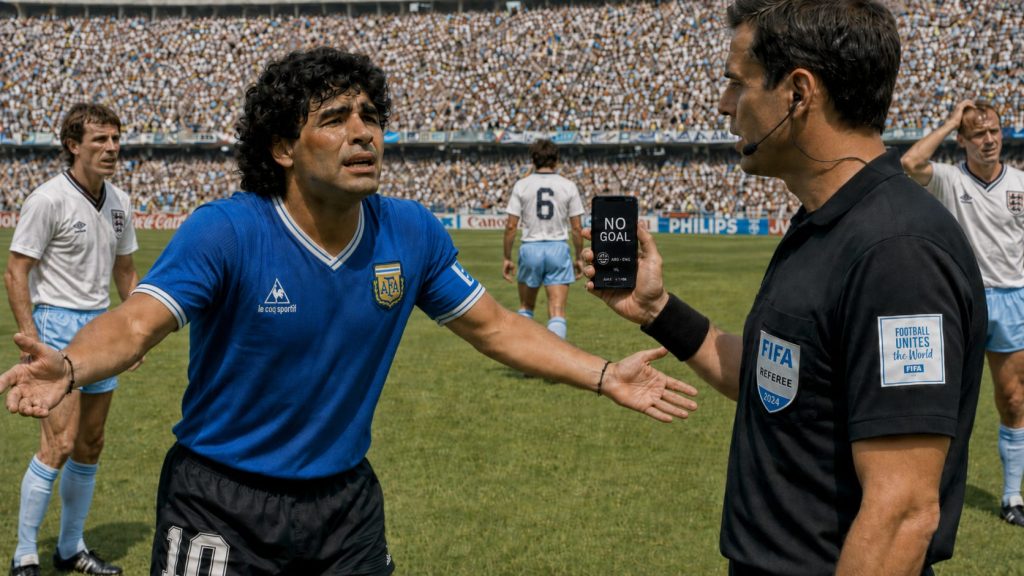
Behind every World Cup performance is a network of analysts, assistants, and specialists translating information into actionable decisions. For viewers, this hidden layer explains why teams adjust mid-match, exploit specific weaknesses, or repeat patterns that seem too precise to be improvised.
Why Assistant Coaches Influence In-Game Structure
Assistant coaches act as intermediaries between the head coach’s ideas and the players’ execution. During matches, they monitor positioning, spacing, and opponent behavior from different angles.
This leads to subtle but important adjustments. A slight shift in pressing height or midfield spacing often originates from touchline communication rather than spontaneous player decisions. For viewers, these changes can be spotted in how quickly a team alters its shape after a brief pause in play.
How Analysts Turn Data Into Tactical Actions
Performance analysts break down large volumes of data into simple, actionable insights. Instead of presenting raw numbers, they highlight patterns—such as which zones are most vulnerable or how opponents react under pressure.
From Data to Decisions
Analysts convert metrics like shot locations or passing networks into visual cues that coaches can use. For example, identifying that an opponent concedes chances from cutbacks leads directly to repeated attacking patterns targeting that space.
For viewers, this explains why certain types of chances appear repeatedly. These are not random opportunities but targeted outcomes based on pre-match analysis.
What Becomes Visible During Live Matches
When watching matches unfold in real time, especially through platforms like ดูบอลสด, the influence of backroom staff becomes visible through repetition and timing. Teams often exploit the same space multiple times or adjust their defensive line after specific triggers. These patterns reflect pre-identified weaknesses rather than in-game improvisation. By focusing on how often a team returns to a particular attacking route or how quickly it adapts after conceding a chance, viewers can see the fingerprints of analysts and assistants shaping decisions behind the scenes.
A Step-by-Step Way to Spot Backroom Influence
To recognize the impact of staff beyond the head coach, it helps to track patterns that emerge consistently throughout a match.
Before applying these steps, keep in mind that backroom influence is most visible in collective adjustments rather than individual brilliance. The goal is to identify repeated behaviors that reflect planning and communication.
- Observe whether a team targets the same attacking zone repeatedly.
- Track how defensive lines adjust after specific types of opposition attacks.
- Notice changes in pressing intensity following stoppages.
- Watch for coordinated movements that appear immediately after substitutions.
These indicators reveal how information is being applied in real time. Consistency in these patterns suggests effective communication between analysts, assistants, and players.
Comparing Teams With Strong and Weak Support Structures
The quality of backroom staff can significantly influence how well a team executes its plan.
Before examining the comparison, consider that strong support structures enhance clarity and adaptability, while weaker ones may lead to delayed or ineffective adjustments.
| Aspect | Strong Support Team | Limited Support Team |
| Tactical adjustments | Immediate and precise | Delayed or unclear |
| Pattern repetition | Consistent and targeted | Inconsistent |
| Player awareness | High positional discipline | Frequent confusion |
| Match adaptation | Proactive | Reactive |
For viewers, this comparison highlights why some teams appear more organized even when facing stronger opponents. The difference often lies in how effectively information is processed and applied during the match.
Where Backroom Influence Can Fall Short
Even the best analysis cannot fully account for unpredictable factors such as individual errors or unexpected tactical shifts from opponents. When matches deviate from anticipated patterns, backroom plans may lose effectiveness.
These limitations are visible when teams persist with strategies that no longer produce results. If adjustments are slow or ineffective, it often indicates that the pre-match analysis did not account for the current match context.
When Information Overload Becomes a Problem
Too much information can reduce clarity. If players are given excessive instructions, decision-making may slow down, leading to hesitation during key moments.
How Communication Shapes Match Outcomes
The effectiveness of backroom staff depends on how clearly information is communicated. Simple, direct instructions are more likely to be executed under pressure than complex tactical explanations.
For viewers, this clarity appears as decisive actions. Teams that react quickly and cohesively are usually receiving clear guidance, while hesitation often signals uncertainty or miscommunication.
What Viewers Should Focus On
To understand the hidden influence behind performances, viewers should pay attention to patterns, timing, and adjustments rather than just outcomes. Goals and chances are often the result of repeated attempts guided by analysis.
Watch how teams respond to similar situations throughout the match. Consistent responses indicate preparation and coordination, while varied reactions suggest improvisation.
Summary
Assistant coaches, analysts, and backroom ดูบอลสดไม่กระตุก ช้าง staff play a crucial role in shaping World Cup matches by translating data into actionable strategies and enabling real-time adjustments. By focusing on repetition, coordination, and tactical changes, viewers can better understand the hidden processes influencing what they see on the pitch.